
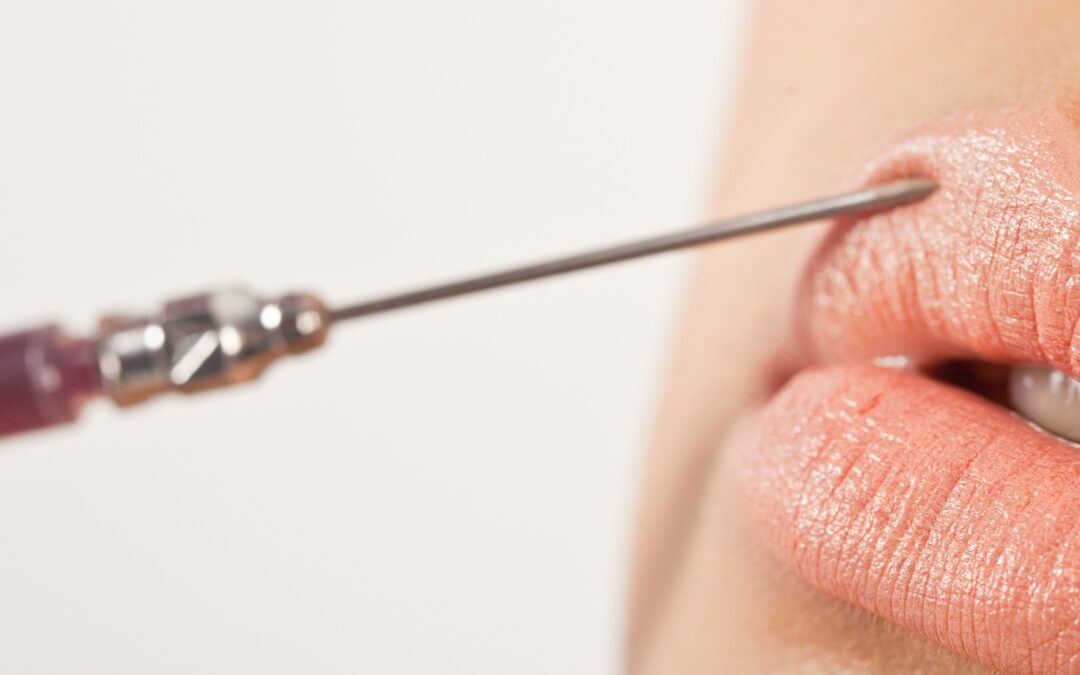
A Deep Dive into the Relationship Between Injectables, Skin Health, and Their Risks
Introduction
In recent years, the beauty and aesthetics industry has witnessed a dramatic rise in the popularity of injectable treatments. From Botox and dermal fillers to more advanced biostimulators, these procedures promise to turn back the clock, smooth out wrinkles, and restore youthful contours. It’s easy to see why injectables have become the go-to solution for millions seeking quick, minimally invasive cosmetic enhancements. However, the surge in demand has led to a common misconception: that injectables can replace the need for healthy skin and proper skincare routines. In reality, injectables are not a cure-all for skin concerns, and they come with their own set of limitations and side effects. This blog will explore why injectables cannot substitute for healthy skin, the importance of maintaining skin integrity, and the potential risks associated with these treatments.
The Science of Skin Health
To understand why injectables can never fully replace healthy skin, it’s essential to first appreciate what makes skin healthy. The skin is the body’s largest organ, playing a critical role in protection, sensation, and thermoregulation. Healthy skin is characterized by a balanced moisture barrier, optimal collagen and elastin production, uniform pigmentation, minimal inflammation, and resilience to environmental stressors. Achieving and maintaining skin health requires a combination of genetics, diet, hydration, protection from UV radiation, adequate sleep, and a consistent skincare regimen.
Healthy skin is not merely smooth or wrinkle-free; it is functional and robust. It can defend against pathogens, heal from injury, and maintain homeostasis. These characteristics stem from the skin’s complex structure—composed of the epidermis, dermis, and hypodermis—each layer performing vital tasks that cannot be mimicked or replaced by injectables.
What Are Injectables?
Injectables refer to substances that are introduced into the skin or underlying tissues via needles or cannulas. The most common types include:
- Botulinum Toxin (Botox): Blocks nerve signals to muscles, reducing dynamic wrinkles.
- Dermal Fillers: Usually made of hyaluronic acid, calcium hydroxyapatite, or poly-L-lactic acid, they add volume and smooth out static lines.
- Biostimulators: Stimulate collagen production for long-term improvement in skin texture and firmness.
While these treatments can enhance appearance by targeting signs of aging, they do not address the underlying health of the skin.
Injectables: The Illusion of Perfect Skin
Injectables are often marketed as quick fixes for aging, promising dramatic results with minimal downtime. It’s easy to believe that with enough injections, anyone can achieve flawless, youthful skin. However, injectables only address certain aesthetic concerns, such as wrinkles, hollow cheeks, or thin lips. They do not improve skin texture, tone, hydration, or barrier function.
For example, Botox temporarily paralyzes muscles to soften expression lines, but it does nothing for sun damage, pigmentation, or acne. Dermal fillers can restore lost volume but won’t heal scars or improve the skin’s surface. Biostimulators may promote collagen formation, but their effect is limited and cannot restore the natural balance of healthy skin.
Ultimately, injectables offer a cosmetic mask, not a true solution to skin health.
Why Injectables Cannot Replace Healthy Skin
- They Do Not Improve Skin Function:
- Injectables are designed to alter appearance, not function. Healthy skin performs numerous biological roles—protecting against infection, regulating temperature, sensing stimuli, and more. Injectables cannot replicate or enhance these critical functions.
- They Mask; Not Heal:
- Injectables provide temporary improvements in appearance but do not heal underlying issues such as inflammation, dehydration, or damage caused by UV exposure. For lasting results, skin health must be addressed through appropriate skincare, nutrition, and lifestyle choices.
- They Cannot Replace the Skin’s Barrier:
- The skin’s outermost layer, the stratum corneum, serves as a barrier against environmental aggressors. Injectables do not strengthen or restore this barrier; in fact, repeated injections can disrupt it, increasing the risk of infection or irritation.
- They Are Temporary:
- The effects of most injectables last from a few months to a couple of years, after which repeated treatments are necessary. In contrast, healthy skin maintained through proper habits can look and feel good for decades.
- They Can Exacerbate Underlying Skin Conditions:
- In some cases, injectables can worsen existing skin problems. For example, fillers can create lumps or unevenness in people with compromised tissue, and Botox may trigger allergic reactions or exacerbate muscle weakness.
The Importance of a Holistic Approach to Skin Health
The pursuit of healthy, beautiful skin should be comprehensive. While injectables may play a role in enhancing facial features or reducing certain signs of aging, they should never be viewed as a replacement for foundational skincare. A holistic approach includes:
- Daily cleansing and moisturizing
- Sun protection with broad-spectrum SPF
- A balanced diet rich in antioxidants, vitamins, and minerals
- Regular physical activity
- Avoidance of smoking and excessive alcohol consumption
- Stress management
- Adequate sleep
These habits nourish the skin from within and reinforce its natural defenses, ensuring lasting health and radiance that cannot be achieved by injectables alone.
Potential Side Effects of Injectables
While injectables are generally considered safe when administered by skilled professionals, they are not without risks. Side effects can range from mild and temporary to severe and long-lasting. Some common side effects include:
- Redness and Swelling: Most injectable procedures cause some degree of redness, swelling, and tenderness at the injection site. These symptoms are usually resolved within days but can be prolonged or severe in rare cases.
- Bruising: The insertion of a needle can damage blood vessels, leading to bruising that may persist for a week or more.
- Allergic Reactions: Some patients experience allergic reactions to ingredients in injectables, such as lidocaine or animal-derived components, resulting in itching, rash, or swelling.
- Infection: Anytime the skin barrier is breached, there is a risk of infection. Bacterial contamination can cause abscesses or cellulitis, requiring medical treatment.
- Nodules and Lumps: Dermal fillers can occasionally form hard nodules or lumps, either immediately or months after treatment. These may be unsightly and sometimes require surgical removal.
- Migration and Asymmetry: Injected material may move from its intended location, resulting in asymmetry, distortion, or unnatural appearance.
- Vascular Complications: Rarely, injectables can inadvertently be injected into blood vessels, blocking circulation and causing tissue death (necrosis) or blindness if the eyes are affected.
- Granulomas: Chronic inflammation can lead to granuloma formation—small areas of tissue irritation that persist long after treatment.
- Muscle Weakness and Drooping: Botox and similar products can spread to unintended muscles, causing drooping eyelids, impaired speech, or difficulty swallowing.
- Psychological Effects: Reliance on injectables for self-esteem can lead to dissatisfaction, anxiety, or body dysmorphia, especially if results are not as expected or complications arise.
Long-Term Risks and Considerations
Beyond the immediate side effects, repeated use of injectables may result in longer-term consequences. Chronic inflammation from frequent injections can impair healing and skin integrity, leading to thin, fragile, or scarred skin. Over time, excessive use of fillers can stretch tissues, leading to unnatural contours or loss of elasticity. In rare cases, repeated Botox injections may cause resistance or diminished effectiveness.
Additionally, dependence on injectables can discourage individuals from adopting healthy skin habits, perpetuating the cycle of short-term fixes instead of long-term solutions.
Alternatives to Injectables for Healthy Skin
For those seeking youthful, radiant skin, injectables are just one option among many. Alternatives include:
- Topical Skincare: Retinoids, antioxidants, peptides, and moisturizers can improve skin texture, reduce wrinkles, and promote collagen production.
- Chemical Peels: Exfoliate the skin to reduce pigmentation and improve tone.
- Microneedling: Stimulates collagen formation with minimal invasiveness.
- Laser Treatments: Address pigmentation, texture, and vascular issues with precision.
- Healthy Lifestyle: Diet, exercise, and sleep are foundational for skin vitality.
These approaches support the skin’s natural processes, offering sustainable benefits without the risks associated with injectables.
Injectables and Skin Condition: A Balanced Perspective
Injectables are not inherently harmful and can provide meaningful improvements in the right context. When used judiciously, under the guidance of experienced professionals, they can complement a healthy skincare routine. However, their benefits are strictly cosmetic and temporary. The condition and health of the skin remain paramount.
For optimal results, injectables should be viewed as part of a broader strategy—never as a replacement for the basics of skin maintenance. Skincare should remain the foundation, with injectables reserved for targeted enhancements or specific aging concerns.
In the quest for beauty and youth, injectables have become a powerful tool. Yet, they are not a substitute for healthy skin. True skin health is built on a foundation of good habits, proper nourishment, and diligent care. Injectables may mask imperfections or restore lost volume, but they cannot heal, strengthen, or protect the skin from within.
Moreover, injectables carry risks—from mild side effects to serious complications. Understanding these limitations is crucial for anyone considering cosmetic treatments. Instead of relying solely on injectables, prioritize a holistic approach to skin health. Invest in your skin’s well-being and let injectables serve as the finishing touch—not the foundation—of your beauty regimen.
Ultimately, radiant, resilient skin is the product of daily care, healthy living, and informed choices—not just a needle’s prick.