
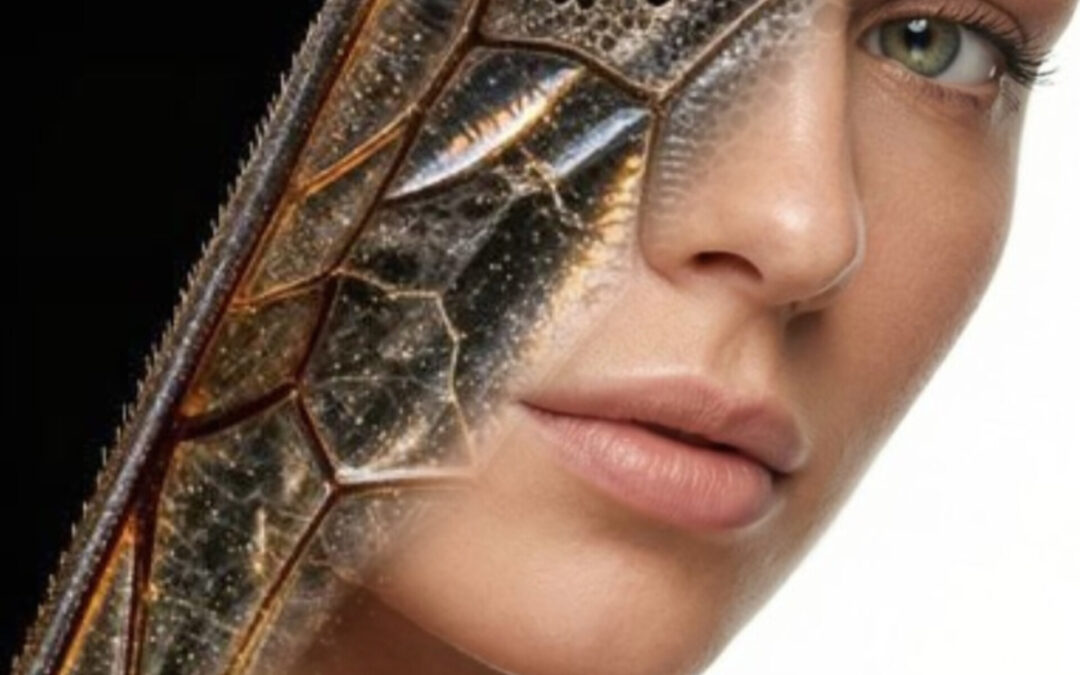
A simple guide for choosing bee-venom, peptide, and “Botox-like” skincare safely.
What “Venom Skincare” Usually Means
In beauty products, “venom skincare” usually refers to ingredients such as bee venom, purified bee venom, or synthetic peptides that are marketed as smoothing, firming, or “Botox-like.” These products may help the skin look plumper and smoother, but they are not the same as medical injections and should not be expected to create instant or permanent wrinkle removal.
What to Look For
- Clear ingredient names: Look for bee venom, purified bee venom, synthetic venom-like peptides, acetyl hexapeptide-8, or other peptides listed clearly on the label.
- Soothing support ingredients: Choose formulas with calming and barrier-friendly ingredients such as aloe, Centella asiatica, panthenol, ceramides, hyaluronic acid, glycerin, or niacinamide.
- Fragrance-free or low-fragrance formulas: This is especially important if your skin is sensitive, acne-prone, dry, or easily irritated.
- Realistic claims: Good products may hydrate, soften, smooth, and temporarily improve the appearance of fine lines. Be cautious of products that promise dramatic results overnight.
- Brand transparency: Choose brands that provide a full ingredient list, directions for use, allergy warnings, and contact information.
- Patch-test guidance: A responsible product should encourage testing on a small area before applying it to the face.
What to Avoid
- Avoid bee venom if you are allergic to bee stings, bees, honey, pollen, or propolis. Allergy risk is the most important safety concern.
- Avoid applying venom-based products to broken, irritated, sunburned, freshly waxed, or freshly exfoliated skin.
- Avoid strong fragrance, essential oils, and harsh alcohols if your skin is reactive or easily inflamed.
- Avoid using too many active ingredients at once. Do not combine a new venom product immediately with retinol, exfoliating acids, benzoyl peroxide, strong vitamin C, or scrubs.
- Avoid products with no full ingredient list, no safety warnings, or unrealistic before-and-after images.
- Avoid “DIY venom” or unverified sources. Skincare ingredients need controlled formulation, safe concentration, and proper processing.
How to Patch Test
- Apply a small amount of the product to the inner arm, behind the ear, or along the jawline.
- Leave it on and watch the area for 24–48 hours. For very sensitive skin, test for up to several days before using it on the face.
- Do not test on skin that is already irritated, scratched, or sunburned.
- If you notice hives, swelling, intense itching, burning, blistering, or spreading redness, wash it off and stop using the product.
- If you have a known bee allergy or a history of severe allergic reactions, ask a medical professional before trying bee-venom skincare.
Simple Routine
Morning
- Use a gentle cleanser or rinse with water if your skin is dry.
- Apply a hydrating serum or lightweight moisturizer.
- Use sunscreen every morning. This is the most important step for preventing premature aging and dark spots.
Night
- Cleanse gently, especially if you wore sunscreen or makeup.
- Apply the venom or peptide product only after patch testing.
- Start 2–3 nights per week, then increase slowly if your skin tolerates it.
- Follow with moisturizer to support the skin barrier.
- On nights you use retinol or exfoliating acids, skip the venom product until you know your skin can handle both.
Quick Buying Checklist
| Choose | Avoid |
| Full ingredient list | No ingredient transparency |
| Fragrance-free or gentle formula | Heavy fragrance or irritating essential oils |
| Soothing ingredients like ceramides, aloe, panthenol, or hyaluronic acid | Too many strong actives in one product |
| Clear allergy warning | Bee venom if you have bee-related allergies |
| Realistic claims | “Instant facelift” or “permanent wrinkle removal” claims |
Bottom Line
Venom-style skincare can be interesting, but it is not necessary for everyone. If you are curious, choose a transparent, gentle formula, patch test first, and avoid it completely if you have bee-related allergies. For most people, the best beauty routine is still simple: gentle cleanser, moisturizer, daily sunscreen, and carefully introduced treatment products.