
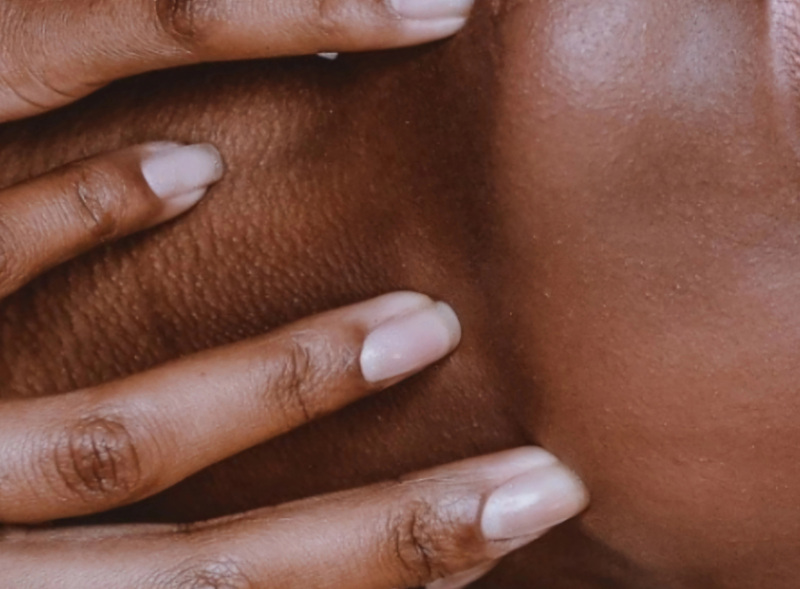
Our skin is our body’s largest organ and serves as a protective barrier against the external environment. However, individuals with diverse ethnic backgrounds may experience unique skin concerns that require specialized care and attention. In this blog, we will explore some common skin problems faced by ethnically diverse individuals and discuss strategies to address and manage them effectively.
Hyperpigmentation
Hyperpigmentation is a common skin concern among people with ethnically diverse backgrounds, particularly those with darker skin tones. It often appears as dark spots, patches, or uneven skin tone due to an overproduction of melanin, the pigment responsible for skin color.
Treatment and Prevention:
Topical Products: Over the counter (OTC) and prescription-based products containing ingredients like hydroquinone, glycolic acid, or vitamin C can help reduce hyperpigmentation.
Sun Protection: Regular use of broad-spectrum sunscreen with SPF 30 or higher is crucial to prevent further darkening of hyperpigmented areas.
Chemical Peels and Laser Therapy: Dermatological procedures like chemical peels and laser therapy can be effective for severe cases.
Keloids
Keloids are raised, thickened scars that can develop after injury or surgery, and they tend to be more common in individuals with darker skin tones. Keloids can be itchy, painful, and aesthetically bothersome.
Treatment and Prevention:
Silicone Gel Sheets: Applying silicone gel sheets to the affected area can help flatten and soften keloids.
Steroid Injections: Dermatologists may use corticosteroid injections to reduce inflammation and flatten keloids.
Laser Therapy: Laser treatments like pulsed dye lasers can be effective in reducing the appearance of keloids.
Acne and Post-Inflammatory Hyperpigmentation (PIH)
Acne is a skin condition that affects people of all ethnic backgrounds. However, the resulting PIH can be more pronounced in individuals with darker skin tones, leading to dark marks and discoloration.
Treatment and Prevention:
Gentle Cleansing: Use a mild, non-comedogenic cleanser to prevent clogged pores.
Topical Retinoids: These can help unclog pores and reduce the appearance of acne scars.
Chemical Peels: Chemical peels with ingredients like glycolic acid can help improve the texture and tone of the skin.
Sun Protection: Preventing sun exposure is crucial to prevent PIH from worsening.
Dry Skin
Dry skin is a common issue for people with diverse ethnic backgrounds, especially in colder climates. Dry skin can lead to itchiness, flaking, and discomfort.
Treatment and Prevention:
Moisturize: Use a thick, hydrating moisturizer daily to lock in moisture.
Humidifier: Use a humidifier to add moisture to the indoor environment, especially during the winter months.
Avoid Hot Showers: Hot water can strip the skin of its natural oils, so opt for lukewarm water when bathing.
Sensitive Skin
Sensitive skin can manifest as redness, burning, or itching in response to various products or environmental factors.
Treatment and Prevention:
Patch Testing: Consult a dermatologist for patch testing to identify specific triggers.
Use Fragrance-Free Products: Choose skincare products that are free of fragrances and harsh chemicals.
Gentle Cleansing: Use a mild, non-irritating cleanser and avoid scrubbing the skin.
Skin problems can affect people of all ethnic backgrounds, but it’s important to acknowledge that the presentation and treatment of these issues may vary. Consulting a dermatologist with experience in diverse skin types is essential for effective diagnosis and management. Additionally, maintaining a consistent skincare routine that includes sun protection, moisturization, and targeted treatments can go a long way in addressing and preventing skin problems. Remember that every skin type is unique, and a personalized approach to skincare is key to achieving healthy, radiant skin, regardless of ethnicity.
Keloids are a skin concern that can be more prevalent and potentially more challenging to manage in individuals with black or dark skin tones. Keloids are raised, thickened scars that extend beyond the boundaries of the original wound or injury. They can be itchy, painful, and cosmetically bothersome. Here are some key considerations and treatments specifically related to keloids in black skin:
Predisposition: People with darker skin tones, including those of African, African American, Hispanic, and Asian descent, are more genetically predisposed to developing keloids. This means that even minor skin injuries, such as acne, piercings, or surgical scars, can trigger keloid formation.
Diagnosis and Consultation: If you suspect that you have a keloid, it is essential to consult with a dermatologist or a healthcare provider experienced in treating keloids, especially in individuals with darker skin tones. They can provide a proper diagnosis and recommend the most suitable treatment options.
Prevention: While keloids can’t always be prevented, there are steps you can take to reduce the risk of their development:
Avoid unnecessary skin trauma, such as piercings or tattoos, if you have a history of keloid formation.
Use silicone gel sheets or pads on recent surgical scars to help prevent keloid formation.
If you have acne-prone skin, consult a dermatologist early to prevent severe acne and minimize the risk of keloid formation from acne lesions.
Treatment Options: Treatment of keloids in black skin can be challenging, but several options are available:
Steroid Injections: Corticosteroid injections are a common first-line treatment for keloids. They can help reduce inflammation and flatten the keloid.
Silicone Gel Sheets: Applying silicone gel sheets or silicone-based gels to the keloid can help flatten and soften the scar.
Pressure Dressings: Elastic or pressure dressings can be used to flatten keloids over time.
Laser Therapy: Certain lasers, such as pulsed dye lasers or fractional lasers, can be used to improve the appearance of keloids, although multiple sessions may be required.
Surgical Excision: In some cases, surgical removal of the keloid may be considered, but it carries a risk of recurrence and should be followed by other treatments like steroid injections.
Cryotherapy: Freezing keloids with liquid nitrogen can sometimes be effective.
Post-Treatment Care: After any keloid treatment, it’s crucial to follow your dermatologist’s post-care instructions diligently. This often includes scar care, such as keeping the area moisturized and protected from sun exposure, as keloids can worsen with sun exposure.
Remember that keloid treatment can be a long process, and results may vary from person to person. Patience and consistent follow-up with a healthcare provider are essential for managing keloids effectively in individuals with black skin. Consulting a dermatologist or your skin care professional who specializes in ethnic skin concerns can provide valuable guidance for your specific case.
