
Understanding the Connection Between Skin, Diet, and Supplements
Introduction
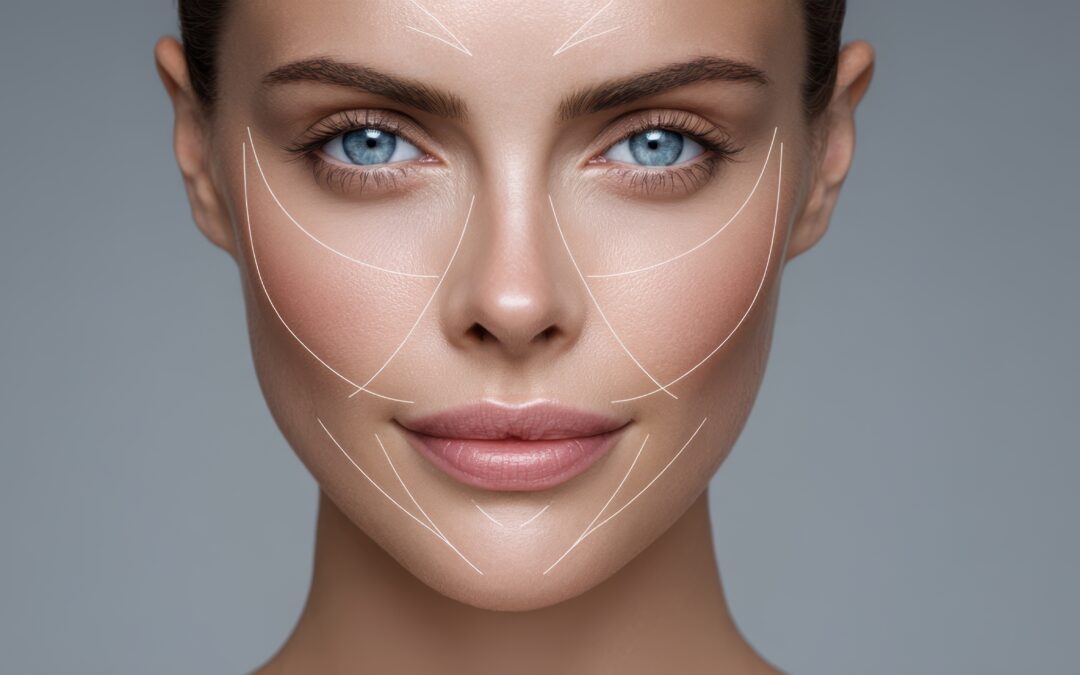
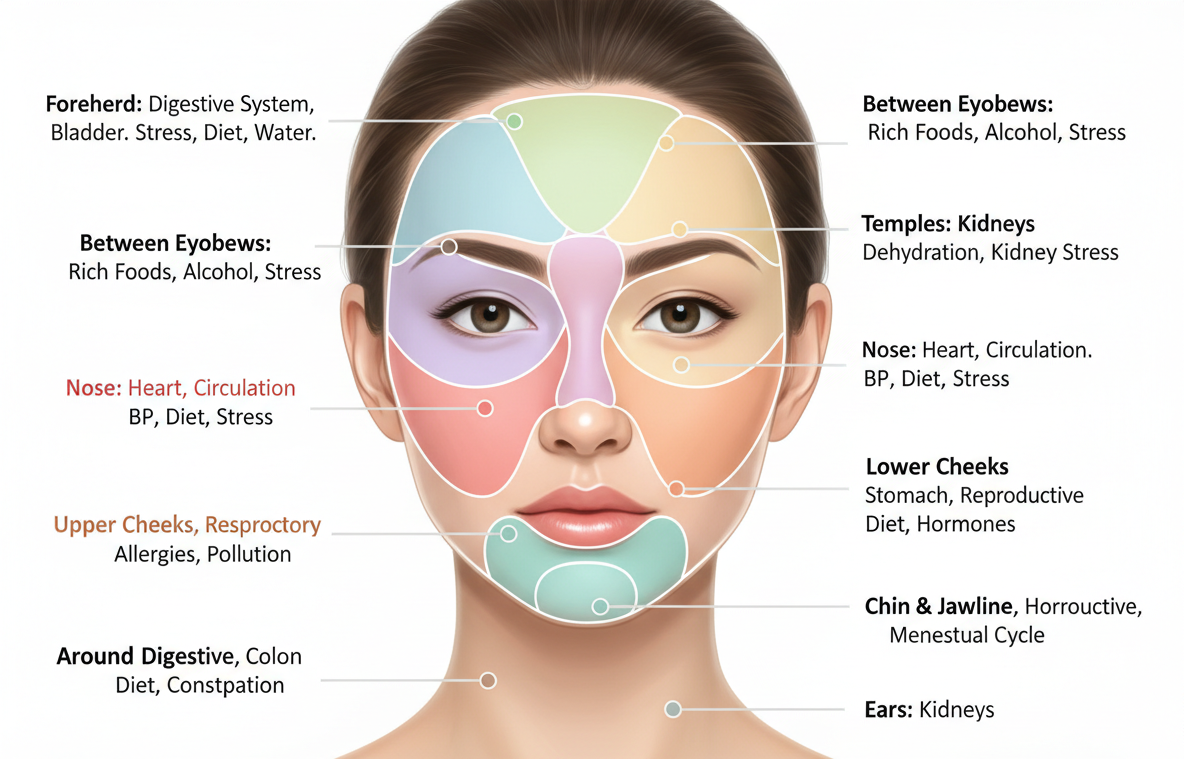
Face mapping links facial zones to various internal organs and processes, providing valuable insights into how targeted nutrition and supplementation can support skin health. Below, each region of the face is paired with dietary choices or supplements that may promote optimal skin condition, along with explanations for their effectiveness.
Facial Zones, Associated Organs, and Nutritional Support
| Facial Area | Associated Organ/System | Skin Indicators | Recommended Supplements/Foods | Explanation |
| Forehead | Digestive System Stomach, Bladder) | Breakouts, congestion | Probiotics, high-fiber foods (whole grains, leafy greens), water, ginger | Probiotics and fiber support gut health, which may reduce forehead blemishes. Hydration and ginger help flush toxins and support digestion. |
| Between Eyebrows | Liver | Redness, deep lines | Leafy greens, cruciferous vegetables (broccoli, cauliflower), milk thistle, turmeric | These foods and supplements aid liver detoxification, potentially reducing redness and inflammation between the brows. |
| Cheeks | Lungs, Respiratory System | Inflammation, enlarged pores | Antioxidant-rich foods (berries, apples), vitamin C, omega-3 fatty acids (flaxseed, walnuts), green tea | Antioxidants and omega-3s combat inflammation and may support lung health, reflected in clearer cheeks. |
| Nose | Heart | Redness, blackheads | Healthy fats (olive oil, avocados), nuts, seeds, coenzyme Q10, whole grains | Heart-friendly foods and supplements support circulation and may minimize redness and congestion on the nose. |
| Chin & Jawline | Hormones, Reproductive Organs | Acne, cysts | Foods rich in zinc (pumpkin seeds, lentils), vitamin B6, omega-3s, spearmint tea | Zinc and B6 help balance hormones, which can reduce breakouts in the chin and jawline area. Omega-3s and spearmint tea may also have a regulatory effect. |
General Skin-Supporting Foods and Supplements
- Vitamin E: Protects skin from oxidative stress.
- Collagen peptides: May improve skin elasticity and hydration.
- Biotin: Supports skin strength and repair.
- Water: Essential for skin hydration in all facial zones.
Benefits of Integrating Nutrition and Face Mapping
- Encourages a holistic view of health and beauty
- Supports early detection and prevention of underlying health issues through diet
- Helps tailor skincare and dietary routines to individual needs
- Promotes body awareness and preventive care
Limitations and Considerations
Face mapping and nutritional changes should not replace medical diagnosis or treatment. Skin concerns may arise from varied causes, including genetics and external factors. Consult healthcare professionals before making significant dietary or supplement changes, especially for persistent issues.
By combining face mapping with evidence-based nutrition, individuals can better understand the potential connections between their skin and internal health. Thoughtful choices in food and supplements paired with clinical expertise—can empower people to care for their skin, enhance beauty, and support overall well-being.